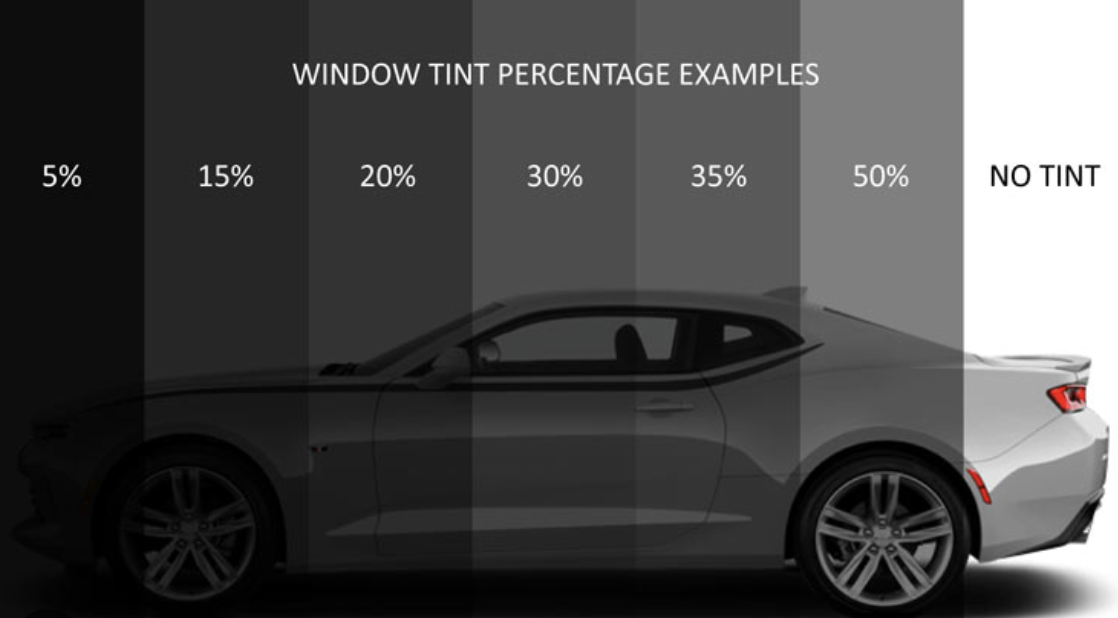
Minnesota law places strict limits on how dark or reflective window tint may be on vehicles operated in the state, and these limits apply directly to dealers when selling or modifying vehicles. Under Minnesota Statutes § 169.71, no additional tint may be applied to a vehicle’s front windshield, and the front side windows of passenger cars, SUVs, and trucks must allow at least 50% of visible light to pass through. For standard passenger cars, the rear side windows and rear windshield are also subject to the 50% minimum light-transmittance requirement. Vans, SUVs, and certain trucks may have darker tint on the rear side windows and rear windshield, but the front-side windows must still meet the 50% standard. The law also prohibits the use of any reflective or mirrored tint film that reduces light transmittance below the legal minimums.
Medical exemptions are permitted in limited circumstances if a driver or passenger has a physician-issued statement specifying a medical need for reduced light entry. The statement must detail the allowed light-transmittance level and whether the condition is temporary or permanent. Minnesota law makes it a misdemeanor to sell, offer for sale, or install on a vehicle any window glazing or film that does not meet the statutory light-transmittance requirements. According to the Department of Public Safety’s Driver and Vehicle Services Division (DVS), it is illegal for dealers to apply non-compliant window tint to any vehicle, including vehicles the dealer sells, leases, or otherwise provides to customers.
If a dealer installs illegal tint—whether at the customer’s request or as part of a reconditioning package—the dealership may be subject to enforcement action and the customer may face traffic citations. Because enforcement is common and improperly tinted vehicles are frequently cited in Minnesota, dealerships should closely evaluate the tint level of every vehicle they sell, including used vehicles taken in on trade. Dealers should verify the visible-light-transmittance percentage and ensure that any aftermarket film carries the required permanent labeling identifying its light-transmittance and reflectivity. If a customer requests darker-than-legal tint, dealers should explain the legal limits, discuss the potential for medical exemptions, and decline to install film that would violate the statute.